

How to Find a Care Home for Someone with Motor Neurone Disease
Finding appropriate care for someone with Motor Neurone Disease (MND) can take a while, whether it’s for short-term respite or as a permanent arrangement. Motor neurone disease primarily affects adults, with most cases developing in people aged 50 to 70. For many families, seeking specialist care for a loved one with MND can be an emotional experience, so finding the right care home that understands the challenges of this condition is essential. Creating a care plan that addresses the progressive nature of MND, while respecting the individual’s dignity, independence, and personal preferences, can provide comfort and reassurance, helping both the person with MND and their family navigate this difficult journey.
A well-chosen care home with experience in supporting people with MND can make all the difference in ensuring residents receive the specialised care they need while maintaining the best possible quality of life. Whether you are a family member searching for appropriate care, or someone recently diagnosed with MND planning for future needs, there are important considerations to help find a the right residential home that offers both expert support and a comfortable environment.
Understanding MND and Its Impact on Care Needs
Motor Neurone Disease is a progressive condition affecting the brain and spinal cord, causing muscle weakness and wasting that creates unique and changing care requirements. It affects nerves by damaging motor neurons in the brain and spinal cord, impairing the signals that control muscle movement. Many people with MND experience early symptoms such as muscle weakness, movement difficulties, and speech problems (these are often the initial symptoms, and not everyone will experience all the symptoms), with symptoms typically worsening over time. Muscle wasting results from the degeneration of these nerve cells. These physical challenges not only affect day-to-day functioning but also create emotional and psychological needs that must be addressed by specialist care providers. Cognitive symptoms can also occur, affecting decision-making and behaviour.
For those requiring nursing care due to MND, finding a care home with staff who understand the condition—including its various symptoms and progression patterns—can be beneficial as it ensures appropriate support from the outset. Amyotrophic lateral sclerosis (ALS) is the most common form of MND, and while ALS shares many features with other types, it is characterised by progressive muscle weakness and wasting due to the degeneration of motor neurons. An experienced care team with experience in supporting people with MND can help ease the transition into care home life, particularly as needs change over time, providing a strong foundation of knowledge and expertise to draw upon throughout the care journey. Motor neurone disease affects individuals differently, with some experiencing rapid progression and others a slower course.
The Importance of Specialised Care and Support
Specialised care and support hold vital importance for people with MND and can make all the difference when adapting to care home life. A specialist team, including a specialist nurse, can provide support tailored to the needs of MND patients. Respiratory support, including assessment and intervention by a respiratory consultant for breathing problems and assisted ventilation when needed, assistance with communication, with input from a speech and language therapist to address speech and swallowing difficulties, and help with mobility and daily activities, with the support of an occupational therapist to assist with everyday tasks and recommend adaptations, become increasingly necessary as the condition progresses. The importance of symptom management and symptom control, including the use of complementary therapies to ease symptoms and provide emotional support, cannot be overstated. Many residents find comfort in knowing that their care team understands MND and can anticipate changing needs, creating a sense of security even as the condition advances.
Bringing in support from specialists, such as speech and language therapists, respiratory consultants, physiotherapists, and occupational therapists, can reinforce quality care and help maintain independence for as long as possible. These professional connections remind residents that they have access to comprehensive support and resources. The importance of a personalised care support plan, developed in collaboration with local healthcare professionals and specialist palliative care services, is essential to provide extra support and improve quality of life. These measures make daily life more comfortable despite the challenges of MND.
Making the Right Care Choice Based on Individual Needs
Many families find that understanding the different options, including residential care homes, nursing homes, and home-based care, makes their decision-making process much more informed. Each person’s experience of MND is unique, and care arrangements should reflect their specific symptoms, progression rate, and personal preferences. The person's condition can change unpredictably, so regular review of care needs is essential. A welcoming care home with experience in supporting people with MND will always encourage open discussions about future care needs, ensuring that every resident feels their wishes are respected and that they receive appropriate care at each stage of their condition.
Evaluating Care Homes with MND Expertise
The way a care home approaches MND care can significantly impact how comfortable and supported a person feels. Choosing facilities with staff trained in MND care, or those willing to receive specialised training from organisations like the Motor Neurone Disease Association, can create a more supportive atmosphere. Facilities should demonstrate understanding of the progressive nature of MND and show how they adapt care plans as needs change over time.
For residents who experience speech difficulties or mobility challenges, care homes that offer appropriate communication aids, hoists, wheelchairs, and other adaptive equipment can be a wonderful addition. Whether it’s having staff trained in alternative communication methods or ensuring buildings are fully accessible, these specialised provisions can help residents maintain independence and dignity despite the physical limitations imposed by MND.
Creating a Space for Effective Care Delivery
Receiving appropriate care and spending time with healthcare professionals is an important part of care home life for someone with MND, and a well-equipped care setting can support these interactions. Ensuring there is appropriate space and equipment for physical therapy, respiratory support, and other medical interventions allows healthcare professionals to provide more effective treatment and support.
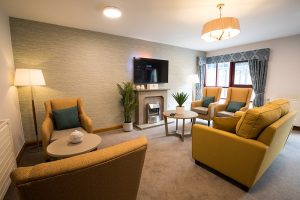
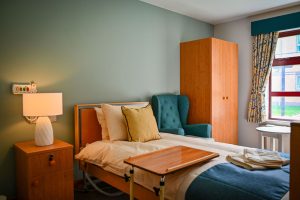
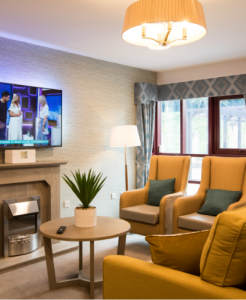
Having accessible rooms with space for equipment, appropriate beds for positioning, and facilities for private consultations creates a welcoming and effective healthcare environment. All the staff in a high-quality care home will understand the importance of multidisciplinary care for MND and will support residents in accessing the full range of healthcare services they require, from swallowing assessments to respiratory support. When someone with motor neurone disease is already comfortably resident in a nursing home, it's much simpler to access the all-important continuum of care and stay as independent as possible while still taking advantage of all of the various therapies needed.
The Role of Nutrition and Communication Support
Nutrition and communication support can have a powerful impact on the quality of life for people with MND. As swallowing difficulties often develop, difficulty swallowing (dysphagia) can make it challenging to maintain weight, and dietitians play a key role in supporting nutritional needs. A care home with expertise in modified diets, thickened fluids, and alternative feeding methods can make a significant difference to daily comfort and health maintenance.
Communication assistance is also incredibly important. Bringing in speech and language therapists and providing appropriate communication aids can help to maintain connections with staff, other residents, and visiting loved ones. Whether residents use voice amplifiers, communication boards, eye-gaze technology, or other methods, care homes understand the emotional benefits of maintaining the ability to communicate, particularly as the condition progresses, as it can preserve independence and provide a sense of control. Care homes should also provide contact details for specialised communication aid services to ensure residents have access to the support they need.
Finding the Right Balance Between Independence and Support
While meeting medical and care needs for someone with MND is important, it’s also necessary to balance this with respect for independence and personal choice. The space needs to remain as enabling as possible, with an emphasis on what the person can still do rather than just focusing on their limitations.
The care home team should work with residents and their families to find the best ways to promote independence while ensuring safety and appropriate care. For those receiving nursing care for MND, ensuring there is enough support without undermining dignity is a key consideration in creating a positive living environment.
The Benefits of MND-Experienced Care Homes
A care home with experience in supporting people with MND can have a transformative impact on a resident’s well-being. It not only provides assurance that physical needs will be met but also reinforces their sense of being understood and valued as an individual beyond their condition. For those needing respite care, having access to staff who understand MND can make a short stay much more beneficial. It ensures that, even though they may be away from home temporarily, they still receive appropriate care from people who understand their specific needs.
If you'd like to discuss the support we offer at Alderbrook Care Home in Leeds, whether for respite care or a full time move, please contact us. We'd be delighted to show you around our home.