

Respite Care for Complex Needs in Leeds: A Family Guide
Caring for someone with complex health needs is demanding, and every carer eventually needs a rest. A short stay in a care home can give you that break while nursing support continues around the clock. This guide explains how respite care works for complex and nursing needs at Alderbrook Care Home on the northern edge of Leeds.
What Does Respite Care for Complex Needs Mean?
The NHS describes respite care as a break from caring while someone else looks after the person you support. It can be a few hours at home, a day centre or a short stay in a care home.
Complex needs usually means several health conditions at once, or one condition that needs regular clinical input. A stay for someone with these needs must therefore include nurses, not only help with daily tasks.
At Alderbrook, respite stays follow the same standards as long-term care. They begin at a minimum of two weeks, so they suit a planned rest or a recovery period.
Which Complex and Nursing Needs Can Be Supported During a Short Stay?
Alderbrook supports adults with complex physical and mental health needs, including dementia, brain injury and rehabilitation needs. Its nursing team also covers areas such as advanced neurological conditions, tracheostomy care, PEG feeding, long-term catheter care and wound management.
A tracheostomy is an opening in the neck that helps with breathing. A PEG is a feeding tube placed into the stomach.
Qualified nurses are on site 24 hours a day, seven days a week. That means someone with clinical skills can respond if a health need changes in the night. This care and monitoring works alongside treatment from the person's own doctors and specialists, not instead of it.

How Is Care Planned Before a Respite Stay Begins?
Planning starts with a short assessment of care needs and preferences. On admission, the nursing team completes a detailed assessment and writes a personalised care plan. The plan is developed with the person, their family and the healthcare professionals already involved.
This matters because complex needs are rarely identical from one person to the next. A written plan lets every member of staff, on every shift, follow the same approach. The plan is reviewed regularly and adjusted if needs change.
Planned or Unplanned: How Do You Arrange a Stay in Leeds?
Contact the care home in advance, they will assess needs, check availability, and plan the stay with you.
Availability matters. The Alzheimer's Society notes that respite in a care home depends on a room being free. Some homes keep pre-bookable rooms for short stays. Asking early gives you the best chance of matching your dates.
Not every stay is planned. Respite can follow a hospital discharge or a period of ill health for the carer. Alderbrook welcomes people joining after a hospital stay as well as those coming for a planned break.


What Is Daily Life Like During a Respite Stay?
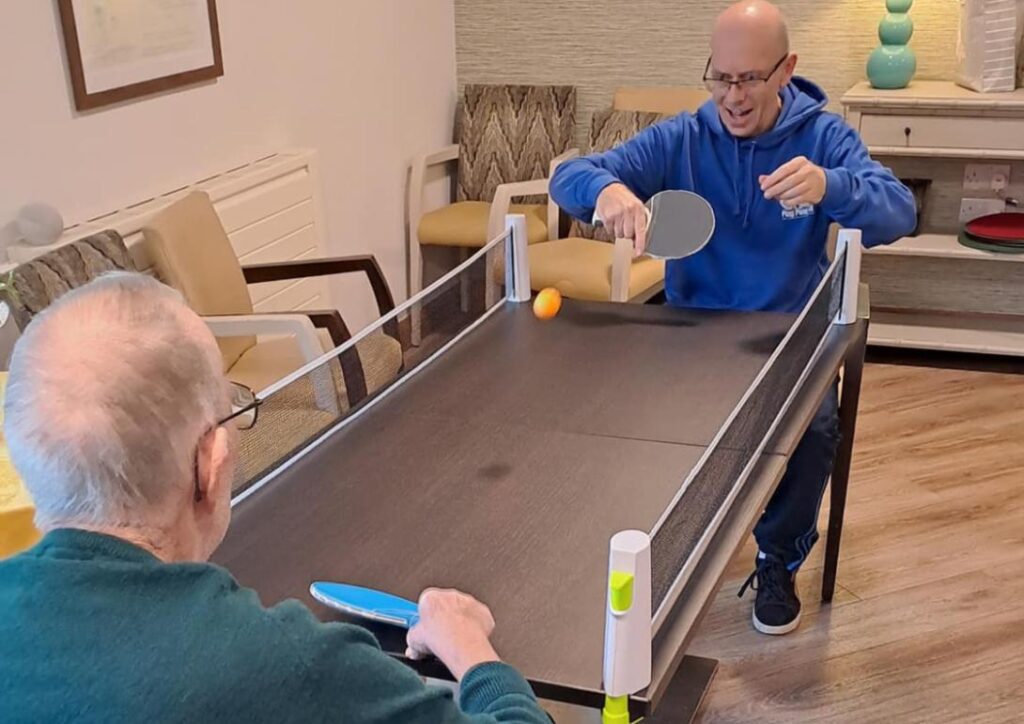
Residents on respite are fully part of the home rather than treated as short-term guests. Each person has an en-suite bedroom and can use the lounges, cinema and sensory rooms. There are also landscaped gardens for fresh air.
Meals are tailored to the individual, and nutritional support is part of the care plan. Physiotherapy and occupational therapy sit alongside an activities programme.
For someone away from home, familiar mealtimes and gentle activity help keep a rhythm to the day.
How Can You Help Your Loved One Settle In?
Even a short move can unsettle someone with dementia or a brain injury. Sharing detail helps staff reduce that. The Alzheimer's Society factsheet on respite care suggests telling the home about daily routines. This includes when the person gets up, when they like to eat and what helps if they become upset.
Alderbrook's team will also ask what matters most to each person, including routines, preferences and goals for the stay. Bringing familiar items such as photographs or a favourite blanket can make a new room feel recognisable.
How Do You Choose a Respite Home for Complex Needs in Leeds?
Start with the regulator. The Care Quality Commission publishes inspection reports for registered homes, including Alderbrook's. Read the latest report yourself.
Then visit in person. Ask whether nurses are on site overnight, how care plans are reviewed and who your main contact will be. Alderbrook offers tours and a downloadable brochure, so you can see the rooms and meet the team before deciding.
For people living with memory loss, it is also worth reading about specialist dementia care.

What Happens When the Stay Ends?
Alderbrook aims for each person to leave feeling settled and supported, and for carers to feel rested. Some families use a respite stay to see whether a home suits them over the longer term. The Alzheimer's Society notes that some people do move in permanently after a short stay.
If longer care becomes necessary, the team will support that transition. There is no obligation to stay beyond the planned period.
FAQs
What is the difference between respite care and nursing care?
Respite describes the purpose and length of a stay, which is a temporary break. Nursing care describes the type of clinical support provided. At Alderbrook, a respite stay can include nursing care.
How long can someone stay for respite care?
Alderbrook's respite stays start at two weeks. The admissions team can talk through the length that suits your situation.
How quickly can a respite stay begin?
After you make contact, the team carries out a short assessment and checks availability. The start date depends on whether a room is free.
Can someone with dementia or a mental health condition have a respite stay?
Yes. Alderbrook's respite care suits adults with complex physical or mental health needs, including dementia and brain injury.
What should I pack for a respite stay?
Ask the admissions team for their guidance first. Familiar items such as photographs, favourite clothes and a note of daily routines usually help someone settle.
You do not have to work out the details alone. If you are thinking about a respite stay for someone you care for, the team at Alderbrook is happy to talk it through, whenever you are ready. Call us or arrange a visit to see the home and meet the people who would be looking after your loved one.