

Dementia Care in Leeds: Who to Call First (2026 Guide)
If someone you love has dementia, or you suspect they might, the hardest part is often not knowing who to call next. In Leeds, the route runs from your GP to the memory assessment service, then to a Memory Support Worker, with Alzheimer's Society and Carers Leeds alongside. Since 1 June 2026, the Memory Support Worker service has been run directly by Leeds and York Partnership NHS Foundation Trust, so older guides may point you to the wrong place. This guide sets out each step, how to tell when care at home is no longer enough, and what a specialist dementia care home should provide.
*Last reviewed: 11 November 2026. Sources include the ONS, NICE, Leeds City Council and local NHS briefings. This is general information and does not replace advice from a GP or nurse.*
Who Should You Call First If You're Worried About Dementia in Leeds?
Start with your GP practice. A GP can check for other causes of confusion, such as infections, medication effects, low mood, or hearing and vision problems, and can refer you for a memory assessment.
You can also ask for support before any diagnosis. Leeds City Council's dementia page lists the Memory Support Worker Service, which helps people with memory problems or dementia and their families, on 0113 231 1727. The Alzheimer's Society's Dementia Support Line, on 0333 150 3456, is open seven days a week, according to MindWell Leeds.
Keep a short diary of changes, with dates and examples, before any appointment. Specific details help clinicians far more than general worries.
How Does Dementia Diagnosis Work in Leeds?
Your GP refers you to the memory assessment service, which sits within Leeds and York Partnership NHS Foundation Trust's older people's services. Assessment usually involves a conversation about changes, memory and thinking tests, and sometimes scans or blood tests.
It matters to learn which type of dementia someone has. Alzheimer's disease, vascular dementia, Lewy body dementia and frontotemporal dementia can look different and need different support. Our guide to how to tell dementia from other conditions explains the overlap.
The scale is significant. Dementia and Alzheimer's disease was the leading cause of death in England and Wales in 2025, accounting for 12.7% of registered deaths, according to the ONS.

What Support Is Available After a Diagnosis, and What Changed in June 2026?
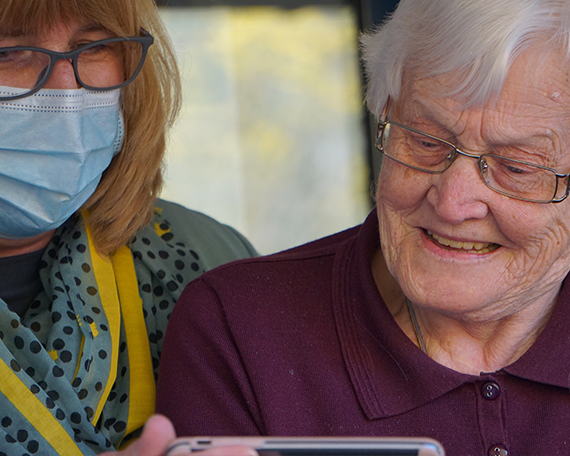
Memory Support Workers help people understand a diagnosis, plan for the future and find local services. Until recently, a small team employed by the Alzheimer's Society delivered this under contract. A briefing to Leeds partners says that from 1 June 2026 the Trust brought the service in-house, integrating it into its Older People's Service and Memory Assessment Service pathways.
The briefing states that support for people living with dementia and carers does not change. The Alzheimer's Society continues its wider services, including information, emotional support and ways to meet others.
For carers, Carers Leeds provides a helpline, one-to-one support and groups for carers of people with dementia. The Dementia UK Admiral Nurse helpline is also available nationally, with longer opening hours than local services.
When Does Dementia Care at Home Stop Being Enough?
Usually when safety and sustainability both come under strain. Common signs include night-time wandering, missed meals or medication, weight loss, repeated falls, growing distress, and a carer who is exhausted or unwell.
Carers have a right to an assessment of their own needs, and Leeds City Council's dementia page explains how to ask. If someone's needs are changing quickly, our article on when standard dementia care isn't enough describes the clinical signs that point towards nursing support.
Moving to a care home does not mean home care failed. Dementia progresses, and the right level of support changes with it. Our guide to questions families often ask about dementia covers many of the worries that come with that decision.
What Is the Difference Between Residential, Nursing and Specialist Dementia Care?
Residential dementia care supports daily living: washing, dressing, meals, supervision and company, with staff trained in dementia. Nursing care adds a registered nurse for clinical needs such as swallowing difficulty, pressure damage, repeated infections or complex medication.
Specialist, or complex, dementia care is for people whose needs go beyond that, such as distress that is hard to settle, or dementia alongside neurological or mental health conditions. Our guide to complex dementia explains how that looks in practice.
None of these treats or cures dementia. They support comfort, safety and quality of life, and any sudden change in condition still needs a GP or hospital assessment.

What Should a Specialist Dementia Care Home in Leeds Provide?
Look for people first. Ask whether a registered nurse is on site around the clock, how staff are trained in dementia, and how stable the team is. Residents settle better with familiar faces.
Then look at care. NICE's dementia guideline says people should receive person-centred care and flexible, needs-based palliative care from diagnosis. Ask how pain is assessed in people who cannot say they are hurting, how care plans are reviewed, and how the home would manage a decline in health without unnecessary hospital admissions.
Finally, look at environment and family involvement: calm layouts, good lighting, meaningful activity and regular updates. The Alzheimer's Society's guide to supporting a person with dementia in a care home is a helpful companion on visits. You can also read any home's latest report on the CQC website.
Can You Try a Short Stay Before Deciding?
Yes, and many families find it helpful. A short respite stay gives the person full support while a carer rests, and lets you see how staff work and how your relative settles.
If you are weighing this up, our guide to respite care for complex needs in Leeds explains how stays work.
Frequently Asked Questions
Who do I contact if I'm worried about dementia in Leeds?
Start with your GP. You can also contact the Leeds Memory Support Worker Service on 0113 231 1727 or the Alzheimer's Society Dementia Support Line on 0333 150 3456.
How do I get a dementia diagnosis in Leeds?
See your GP, who can check for other causes and refer you to the memory assessment service for tests and, if needed, scans.
What is the Memory Support Worker service?
It helps people with memory problems or dementia, and their families, understand a diagnosis, plan ahead and find support. Since 1 June 2026 the NHS Trust has delivered it directly.
When should someone with dementia move into a care home?
When they are no longer safe at home, when a carer can no longer sustain the support, or when needs such as swallowing difficulty or complex medication require nursing care.
What is the difference between residential and nursing dementia care?
Residential care supports daily living and supervision. Nursing care adds a registered nurse for clinical needs such as medication, pressure care and monitoring health.
Can someone with dementia have a short stay in a care home?
Yes. Respite stays give a carer a break and let families see how a home works before deciding on longer-term care.
How Does Alderbrook Support People Living With Dementia in Moortown?
Alderbrook Care Home, on Shadwell Lane in Moortown, provides specialist dementia care alongside specialist nursing care, residential mental health care, physical disability and neuro rehabilitation, and respite care. The home offers around-the-clock support for adults with complex needs.
Residents have en-suite bedrooms, tailored dining, an activities programme and landscaped gardens. If you are trying to work out the right next step for someone you love, please call the team at Alderbrook Care Home on 0113 465 5600. We are happy to listen, answer your questions and show you around whenever you feel ready.